Restoring Smooth Operation: A Comprehensive Guide to Repairing Your Bifold Door Top Pivot
Bifold doors, also referred to as folding doors, are a popular option for taking full advantage of area and producing a smooth transition in between spaces or between indoor and outside living areas. Their unique folding mechanism enables larger openings than conventional hinged doors, making them ideal for closets, pantries, utility room, and even as patio doors. However, the smooth and effective operation of a bifold door hinges on a number of crucial components, and one of the most important, yet frequently overlooked, is the leading pivot.
The top pivot is a little but vital system that sits at the leading corner of a bifold door panel, enabling it to rotate smoothly within the track system. In time, due to wear and tear, incorrect positioning, and even accidental damage, this pivot can stop working. A malfunctioning leading pivot can result in a host of frustrating issues, from sticking doors and noisy operation to complete immobility. Luckily, fixing or changing a bifold door top pivot is often a workable DIY task, conserving you the expense of professional repairs and bring back the functionality of your door.
This extensive guide will walk you through the process of understanding, detecting, and fixing a bifold door top pivot. We will check out the parts involved, determine typical problems, equip you with the essential tools and products, and offer a detailed repair procedure. Whether you are a seasoned DIY enthusiast or a house owner tackling home repairs for the very first time, this short article will empower you to with confidence address a defective bifold door leading pivot and get your door running smoothly once again.
Understanding the Top Pivot System
Before diving into the repair procedure, it's advantageous to comprehend the role of the top pivot within the broader bifold door system. Merton Bifold Door Handle Replacement , in conjunction with the bottom pivot (frequently referred to as a guide or wheel), works to manage the movement and stability of each door panel.
Normally, a bifold door system consists of:
- Top Track: A metal track set up horizontally at the top of the door opening. This track houses the leading pivots and guides the door panel's motion.
- Bottom Track or Guide: Some bifold door systems utilize a bottom track, while others employ a bottom guide that is either a pin or a wheel, engaging with a groove or channel on the floor or door jamb. This bottom component helps support the door panel and maintains positioning.
- Top Pivots: These are little, typically plastic or metal elements that are placed into the leading edge of the door panel and ride within the leading track. They allow the door panel to pivot and slide efficiently along the track.
- Linking Hinges: Hinges that connect the individual door panels together, enabling them to fold in a concertina design.
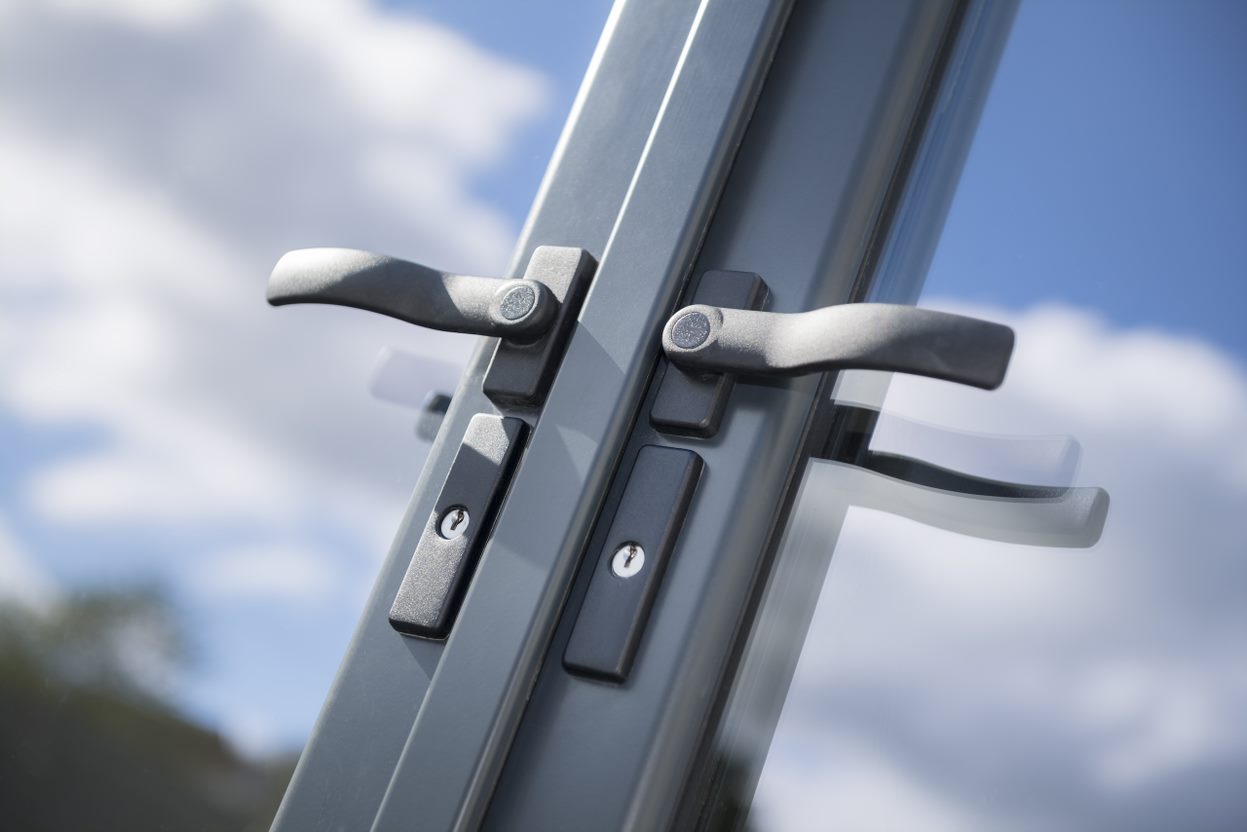
- Door Handles and Hardware: Hardware utilized for operating and protecting the bifold door.
The leading pivot bears a substantial load, helping with the smooth sliding and folding action of the door. It needs to be robust adequate to stand up to consistent usage, yet exact sufficient to permit effortless movement. Understanding its function helps in appreciating why its appropriate function is so vital to the overall operation of the bifold door.
Identifying Common Top Pivot Problems
Acknowledging the signs of a failing leading pivot is the primary step towards a successful repair. Here are some typical signs that indicate an issue with your bifold door's leading pivot:
- Sticking or Jerky Door Movement: The door becomes tough to open or close smoothly, being reluctant or capturing as it moves along the track. This is typically the most visible symptom.
- Noisy Operation: You may hear grinding, squeaking, or clicking sounds as the door is operated, suggesting friction or damage within the pivot mechanism or track.
- Door Panel Drooping or Sagging: If the leading pivot is used or broken, the door panel might droop slightly at the top, causing misalignment and more preventing smooth operation.
- Visible Damage to the Pivot: Upon inspection, you may be able to see fractures, chips, or breaks in the plastic or metal parts of the leading pivot itself.
- Door Jumping Out of the Track: In severe cases of pivot failure, the door panel may jump out of the leading track altogether, ending up being totally unusable and potentially damaging the door or frame.
- Increased Effort to Operate: If you discover yourself needing to apply more force than typical to open or close the door, it might be a sign of increased friction due to a stopping working pivot.
If you observe any of these symptoms, it is extremely likely that your bifold door's leading pivot needs attention. Neglecting these issues can cause additional damage to the door, track, or surrounding frame, making the repair more complicated and pricey in the long run.
Tools and Materials You'll Need
Before you start the repair, collect the essential tools and materials to ensure a smooth and efficient procedure. Having actually everything prepared ahead of time will conserve you time and disappointment.
Tools:
- Screwdriver Set: A Phillips head and flathead screwdriver will be vital for removing and setting up screws associated with the pivot and door hardware. Ensure you have numerous sizes to fit various screws.
- Pliers: Pliers can be helpful for grasping and navigating small parts, particularly if the old pivot is stuck or tough to remove.
- Hammer (Optional): A lightweight hammer may be needed to gently tap the brand-new pivot into location, if needed by the style.
- Measuring Tape: To make sure accurate positioning and alignment when setting up the new pivot.
- Pencil or Marker: For marking positions and ensuring proper positioning.
- Safety Glasses: Protecting your eyes is important when dealing with tools and hardware.
- Gloves (Optional): To safeguard your hands and provide better grip.
Products:
- Replacement Top Pivot: This is the most crucial product. It's vital to purchase a replacement pivot that works with your specific bifold door system. Take the old pivot with you to the hardware shop for comparison, or take down the door maker and model if possible. Top pivots been available in numerous sizes and designs.
- Lubricant (Silicone Spray or Dry Graphite): Lubricating the track and brand-new pivot will ensure smooth, quiet operation and lengthen the life of the pivot.
- Wood Filler or Wood Glue (Optional): If the screw holes holding the pivot in location are stripped or harmed, wood filler or glue might be required to strengthen them.
- New Screws (Optional): If the existing screws are damaged or removed, have a set of replacement screws of the right size and type on hand.
Step-by-Step Guide to Repairing the Top Pivot
With your tools and materials all set, you can now proceed with the repair. Follow these detailed directions thoroughly:
Step 1: Safety and Preparation
- Place on your safety glasses.
- Ensure the work area is clear and well-lit.
- Gather all your tools and products and place them within easy reach.
Step 2: Inspect and Access the Top Pivot
- Thoroughly analyze the top pivot of the bothersome door panel to aesthetically evaluate the damage. Look for cracks, breaks, or indications of wear.
- Figure out how the pivot is connected to the door. A lot of are usually kept in place by screws.
- You might need to slightly open or close the bifold door to get much better access to the leading pivot.
Action 3: Remove the Old Top Pivot
- Utilizing the appropriate screwdriver (usually Phillips head), carefully remove the screws securing the leading pivot to the door panel.
- If the screws are removed or hard to get rid of, you may require to use pliers to grip the screw head and carefully turn it. Avoid harming the surrounding door material.
- As soon as the screws are removed, gently pull out the old top pivot. If it's stuck, use pliers to gently wiggle and pull it free.
Step 4: Prepare for the New Pivot (If Necessary)
- Inspect Screw Holes: Examine the screw holes in the door where the pivot was attached. If they are stripped or bigger, you may require to reinforce them.
- For Minor Stripping: Apply a little amount of wood glue into the screw hole and let it partly dry for a few minutes. This will give the screws a better grip.
- For Severely Stripped Holes: Use wood filler to fill the stripped holes totally. Allow the filler to dry and harden according to the product guidelines. When dry, pre-drill pilot holes somewhat smaller sized than the new screws to guarantee a secure accessory.
Step 5: Install the New Top Pivot
- Position the brand-new top pivot in the same orientation as the old one was eliminated.
- Align the screw holes of the new pivot with the holes in the door panel.
- Insert the screws and tighten them firmly with the screwdriver. Avoid overtightening, which might strip the screw holes or damage the pivot. Ensure the pivot is securely attached but not exceedingly tight.
Step 6: Lubricate the Track and Pivot
- Apply a percentage of silicone spray or dry graphite lubricant to the top track of the bifold door, concentrating on the location where the leading pivot will run.
- Likewise, gently lubricate the moving parts of the brand-new top pivot itself. This will promote smooth operation and decrease friction.
Step 7: Test and Adjust
- Thoroughly run the bifold door, opening and closing it numerous times.
- Inspect for smooth, quiet motion. If the door still sticks or binds, re-inspect the pivot for correct installation and alignment.
- Ensure the door panels fold and unfold correctly which the door is not rubbing against the frame or track.
- If essential, minor modifications to the pivot position or track positioning may be needed. Consult your bifold door manufacturer's guidelines for specific adjustment procedures if supplied.
Step 8: Clean Up
- As soon as you are pleased with the door's operation, tidy up your workspace and put away your tools.
Troubleshooting Common Issues
While repairing a top pivot is typically straightforward, you might come across some difficulties. Here are a couple of repairing pointers:
- Pivot Doesn't Fit: If the brand-new pivot doesn't fit into the track or door, double-check that you have the proper replacement type. Compare it closely to the old pivot and the door specifications.
- Screws Won't Tighten: Stripped screw holes are a common problem. Refer back to Step 4 and utilize wood filler or glue to enhance the holes before attempting to tighten the screws once again.
- Door Still Sticks After Pivot Replacement: If the door still does not run efficiently after replacing the pivot, the problem may lie somewhere else. Examine the bottom pivot/guide, the track for particles or damage, or the door panel hinges for stiffness.
- Door Panel Misalignment: If the door panels are not aligned correctly after repair, ensure the top pivot is correctly seated in the track which the door panel is properly positioned within the frame. Check for any warping or damage to the door panel itself.
Keeping Your Bifold Door Pivots
Preventative upkeep can considerably extend the life expectancy of your bifold door pivots and minimize the need for regular repairs. Here are some helpful maintenance ideas:
- Regular Lubrication: Lubricate the leading track and rotates with silicone spray or dry graphite every couple of months to decrease friction and wear.
- Keep Tracks Clean: Periodically tidy the leading and bottom tracks to remove dust, dirt, and particles that can restrain smooth operation. Use a vacuum or a brush to clean up the tracks.
- Check Regularly: Inspect the leading and bottom pivots routinely for indications of wear, damage, or looseness. Resolve any minor problems without delay before they escalate.
- Avoid Slamming: Avoid slamming the bifold doors, as this can put unneeded stress on the pivots and hardware, resulting in early failure.
- Examine Alignment: Periodically check the positioning of the door panels to guarantee they are folding and unfolding correctly and that there is no undue stress on the pivots.
When to Call a Professional
While DIY repair is often possible, there are circumstances where looking for expert help is advisable. Think about calling a door repair professional if:
- You are uncomfortable with DIY repairs.
- The damage to the door or frame is comprehensive beyond just the pivot.
- You are unable to recognize the proper replacement pivot.
- You encounter consistent issues after attempting the repair.
- The bifold door belongs to a complex system, such as a multi-panel patio door, and requires specialized understanding.
A professional door technician has the experience and proficiency to properly diagnose complex bifold door problems and perform repairs effectively and efficiently.
Fixing a bifold door top pivot is a gratifying DIY project that can restore the smooth and simple and easy operation of your door. By understanding the components, identifying the issue, and following the detailed guide laid out in this article, you can with confidence tackle this repair and save yourself money and time. Regular maintenance and prompt attention to minor concerns will ensure the longevity and dependable efficiency of your bifold doors for many years to come, adding to the comfort and performance of your home.
Regularly Asked Questions (FAQs) about Bifold Door Top Pivot Repair
Q1: How do I know what kind of leading pivot to purchase as a replacement?
A: The best way is to remove the old pivot and take it with you to a hardware store. Compare it visually to the readily available alternatives, taking notice of the size, shape, and attachment technique. Alternatively, if you understand the maker and model of your bifold door, you might be able to find particular replacement parts online or through the manufacturer.
Q2: Can I repair a broken leading pivot, or do I always require to replace it?
A: In most cases, it's more practical and trustworthy to replace a broken or worn leading pivot rather than attempting to repair it. Pivots are relatively inexpensive, and replacement makes sure correct function and longevity. Attempting to repair a damaged pivot may cause additional concerns and is typically not recommended.
Q3: My screws are stripped and won't hold the brand-new pivot. What can I do?
A: Stripped screw holes prevail. Attempt using slightly longer or thicker screws. If that does not work, apply wood glue into the screw hole and let it partly dry before re-screwing. For severely removed holes, use wood filler to fill them completely, let it dry, and then pre-drill pilot holes for the new screws.
Q4: Do I need to remove the entire bifold door to replace the top pivot?
A: Often, you can replace the leading pivot without completely eliminating the door panel. However, depending on the design and accessibility, it might be easier to partially detach the door panel to get much better access. In some cases, especially with much heavier doors or complicated systems, removing the door panel may be more secure and easier.
Q5: After replacing the top pivot, my door is still hard to open. What else could be incorrect?
A: If the problem persists after pivot replacement, check other potential concerns:
- Bottom pivot/guide: Inspect for damage or particles.
- Track: Clean and oil the top and bottom tracks. Examine for damage or obstructions.
- Hinges: Ensure the door panel hinges are not stiff or binding. Lube them if essential.
- Door Alignment: Check if the door panels are effectively lined up within the frame.
Q6: How often should I lubricate my bifold door pivots?
A: Regular lubrication every 3-6 months is suggested for optimal performance. More regular lubrication may be required in dirty or high-use environments. Usage silicone spray or dry graphite lubricant to keep the pivots and track moving smoothly.